Multi Layer Extrusion Lamination: Advanced Packaging Technology for High-Performance Industrial Applications
In the modern packaging and manufacturing industry, product protection and material performance are critical factors for success. Companies are constantly searching for advanced technologies that can improve packaging durability, extend shelf life, and support large-scale production. One of the most important innovations in this field is multi layer extrusion lamination.
This advanced process is widely used in flexible packaging, food packaging, pharmaceutical packaging, and industrial material production. It combines multiple layers of materials using extrusion coating technology to create strong, durable, and highly protective packaging structures.
What is Multi Layer Extrusion Lamination?
Multi layer extrusion lamination is a manufacturing process in which multiple material layers are bonded together using molten polymer materials extruded between substrates. The process creates a single composite structure with enhanced strength, flexibility, and barrier protection.
In this technology, thermoplastic resins such as polyethylene or polypropylene are melted and applied between different materials like plastic films, aluminum foil, paper, or fabric. The layers are then compressed together using pressure rollers to form a durable laminated structure.
This process is widely preferred in industries that require high-performance packaging and industrial materials.
Importance of Multi Layer Extrusion Lamination in Modern Industry
The packaging industry has evolved rapidly due to increasing consumer demand and global distribution requirements. Multi layer extrusion lamination plays a vital role in meeting these modern industrial challenges.
Key importance factors include:
- Enhanced product protection and durability
- Improved barrier against moisture, oxygen, and contamination
- Strong bonding between different materials
- Lightweight yet durable packaging structures
- High-speed industrial production capability
- Cost-effective manufacturing process
These benefits make it an essential technology in modern packaging systems.
Working Process of Multi Layer Extrusion Lamination
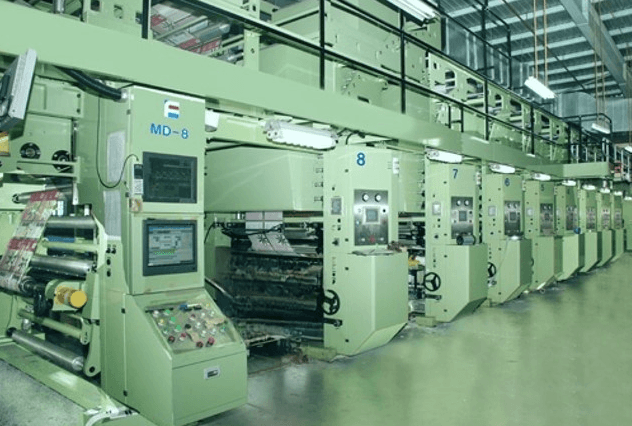
The multi layer extrusion lamination process involves advanced machinery and precise temperature control systems.
Material Feeding
Base materials such as paper, foil, or plastic film are fed into the machine through controlled rollers.
Polymer Extrusion
Thermoplastic resin is heated until molten and then extruded through a flat die.
Layer Bonding
The molten polymer is applied between material layers, acting as an adhesive bonding agent.
Pressure Lamination
Pressure rollers compress the layers together to create strong adhesion.
See also: How Technology Is Transforming Agriculture
Cooling and Solidification
The laminated structure passes through cooling rollers to stabilize the material.
Final Winding
The finished laminated material is collected in roll form for further processing.
This continuous process ensures strong and consistent lamination quality.
Types of Multi Layer Extrusion Lamination
Different types of extrusion lamination systems are used depending on industrial requirements.
Single Extrusion Lamination
Uses one layer of molten polymer for standard packaging applications.
Co-Extrusion Lamination
Combines multiple polymer layers for improved barrier and strength properties.
Tandem Extrusion Lamination
Uses multiple extrusion units for complex packaging structures.
High-Barrier Extrusion Lamination
Designed for products requiring maximum protection against moisture and oxygen.
Eco-Friendly Extrusion Lamination
Uses recyclable and sustainable materials for environmentally conscious production.
Each type is tailored for specific industrial applications.
Key Features of Multi Layer Extrusion Lamination
Modern extrusion lamination systems are equipped with advanced technologies to improve productivity and performance.
Strong Bonding Technology
Creates durable adhesion between different materials.
High-Speed Production
Suitable for large-scale industrial manufacturing.
Excellent Barrier Protection
Protects products from environmental damage.
Lightweight Packaging Structure
Reduces transportation and storage costs.
Precision Temperature Control
Ensures uniform polymer application and quality.
Versatile Material Compatibility
Supports various substrates including paper, foil, and plastic films.
Applications of Multi Layer Extrusion Lamination
This technology is widely used across multiple industries due to its versatility and performance.
Food Packaging Industry
Used for snacks, dairy products, frozen foods, and beverage packaging.
Pharmaceutical Packaging
Provides safe and hygienic packaging for medicines and medical products.
Flexible Packaging Industry
Used for pouches, sachets, and multilayer films.
Industrial Packaging
Used for chemicals, fertilizers, and heavy-duty materials.
Agricultural Applications
Used for seed packaging and protective agricultural films.
Its broad application range makes it highly valuable in global industries.
Advantages of Multi Layer Extrusion Lamination
Businesses gain many benefits from using this advanced technology.
Superior Product Protection
Provides strong resistance against moisture, oxygen, and contaminants.
High Durability
Ensures long-lasting packaging performance.
Improved Shelf Life
Helps preserve product freshness and quality.
Cost Efficiency
Reduces material waste and production costs.
Excellent Printing Surface
Supports high-quality branding and product presentation.
High Production Efficiency
Enables continuous large-scale manufacturing.
Technological Advancements in Extrusion Lamination
Modern systems incorporate advanced technologies to improve quality and efficiency.
Key innovations include:
- PLC-based automation systems
- Smart temperature monitoring technology
- Servo motor-driven rollers
- Real-time quality inspection systems
- High-speed extrusion dies
- Eco-friendly polymer materials
These innovations improve precision and sustainability.
Role in Modern Packaging Industry
Multi layer extrusion lamination plays a critical role in modern packaging industries by offering strong, lightweight, and highly protective packaging solutions.
It helps industries achieve:
- Better product safety
- Enhanced packaging durability
- Improved transportation efficiency
- Stronger brand presentation
This makes it a core technology in advanced manufacturing systems.
Environmental Considerations
Sustainability is becoming increasingly important in packaging production.
Environmental benefits include:
- Reduced material consumption
- Lightweight structures lower transportation emissions
- Recyclable material options
- Energy-efficient production systems
- Support for sustainable packaging solutions
These features help industries meet global environmental standards.
Challenges of Multi Layer Extrusion Lamination
Despite its many advantages, there are some challenges:
- High equipment investment cost
- Complex recycling process for multi-layer materials
- Need for skilled machine operators
- Strict temperature and process control requirements
However, ongoing innovation continues to address these issues.
Future of Multi Layer Extrusion Lamination
The future of extrusion lamination technology is focused on automation, sustainability, and smart manufacturing.
Future developments may include:
- AI-based process optimization
- Fully recyclable multi-layer structures
- Smart packaging integration
- Advanced biodegradable polymer materials
- Real-time cloud-based monitoring systems
These innovations will transform the future of industrial packaging.
Conclusion
Multi layer extrusion lamination is an advanced manufacturing technology that provides strong, durable, and high-performance packaging solutions for modern industries. By combining multiple materials into a single structure, it improves product protection, shelf life, and packaging efficiency.
With continuous technological advancements and increasing demand for sustainable packaging, multi layer extrusion lamination will continue to play a major role in the future of global manufacturing and packaging industries.