Inside the OR: A Guide to Essential Surgical Equipment
The operating room (OR) is a place where precision, skill, and technology converge to save lives. Every tool, instrument, and piece of equipment plays a critical role in ensuring patient safety and successful surgical outcomes. Understanding the essential surgical equipment used in the OR is crucial not only for healthcare professionals but also for anyone curious about the inner workings of modern medicine.
Surgical Instruments: The Core Tools
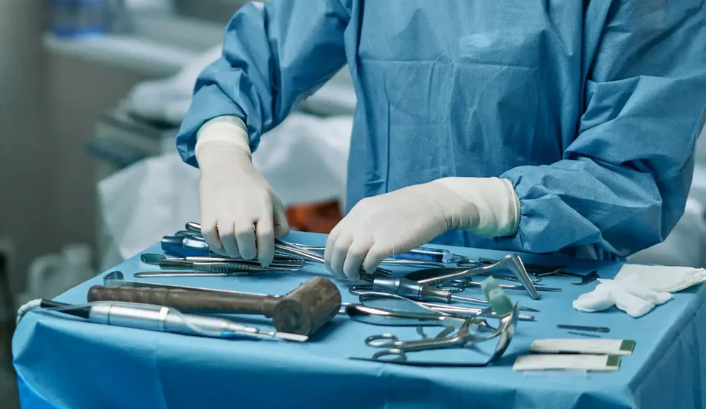
At the heart of every operation are surgical instruments, which are designed for cutting, dissecting, grasping, holding, suturing, and more. Some of the most commonly used instruments include:
- Scalpels and Blades: These sharp tools are used for making incisions with precision. Modern surgical scalpels are often disposable to maintain sterility.
- Forceps: Available in various shapes and sizes, forceps help surgeons hold or manipulate tissues and small objects during surgery.
- Scissors: Surgical scissors come in straight, curved, and specialized forms for cutting tissues or sutures.
- Retractors: These instruments hold back tissue or organs to provide better visibility of the surgical area.
The design and manufacturing of these instruments demand exceptional precision. Techniques like precision centerless grinding are sometimes employed in crafting surgical tools to achieve exact tolerances and smooth finishes, ensuring they perform flawlessly during procedures.
Sterilization and Safety Equipment
Sterility is paramount in the OR. Equipment such as autoclaves and sterilization trays help ensure instruments are free from bacteria, viruses, and other pathogens. Surgeons, nurses, and staff wear protective gear including gloves, masks, gowns, and eye protection to minimize the risk of infection.
Additionally, ORs often use laminar airflow systems and HEPA filters to maintain a sterile environment. Even minor contamination can increase post-operative complications, making sterilization equipment just as critical as the surgical instruments themselves.
Monitoring and Diagnostic Equipment
Modern surgeries rely heavily on real-time monitoring and diagnostic tools. Vital signs monitors track heart rate, blood pressure, oxygen saturation, and respiration. These devices alert the surgical team to any changes in the patient’s condition, enabling rapid responses to potential complications.
Imaging equipment, such as portable X-rays, ultrasounds, and endoscopic cameras, provides surgeons with detailed views of the surgical site. These tools are essential for minimally invasive procedures, reducing recovery time and improving patient outcomes.
Anesthesia Equipment
Anesthesia is a critical component of surgery. Anesthesiologists depend on sophisticated machines to administer, monitor, and adjust anesthesia during operations. Key equipment includes:
- Anesthesia Machines: These deliver precise mixtures of anesthetic gases to maintain unconsciousness safely.
- Ventilators: These machines assist or control a patient’s breathing when under anesthesia.
- Monitoring Devices: Continuous tracking of heart rate, oxygen levels, and carbon dioxide ensures patient safety throughout the procedure.
Anesthesia equipment must be meticulously maintained and regularly tested to guarantee performance, as even minor malfunctions can have serious consequences.
See also: Thinking of launching a UK startup in 2026 here’s your accounting roadmap
Surgical Tables and Lighting
Surgical tables are more than just flat surfaces—they are adjustable platforms that allow surgeons to position patients optimally for different procedures. Features such as tilt, height adjustment, and radiolucency (allowing imaging equipment to pass through) make modern surgical tables highly versatile.
Lighting in the OR is equally important. Overhead surgical lights provide bright, shadow-free illumination, enabling surgeons to see even the smallest structures clearly. Some systems are adjustable in intensity and direction, offering precision that complements advanced instruments.
Specialized Equipment
Depending on the type of surgery, additional specialized equipment may be required. For example, orthopedic surgeries may use drills, saws, and fixation devices, while cardiac procedures might involve heart-lung machines. Even robotic surgical systems are becoming increasingly common, allowing for high-precision, minimally invasive operations.
Conclusion
The OR is a high-stakes environment where every tool and device contributes to the safety and success of surgery. From scalpels and forceps to anesthesia machines and imaging equipment, each piece of surgical gear is designed with precision and functionality in mind. Innovations such as precision centerless grinding in manufacturing ensure instruments meet the exacting standards required in modern surgery.
Understanding these essentials not only highlights the complexity of surgical procedures but also underscores the dedication of the teams who operate behind the scenes, ensuring patients receive the highest standard of care.