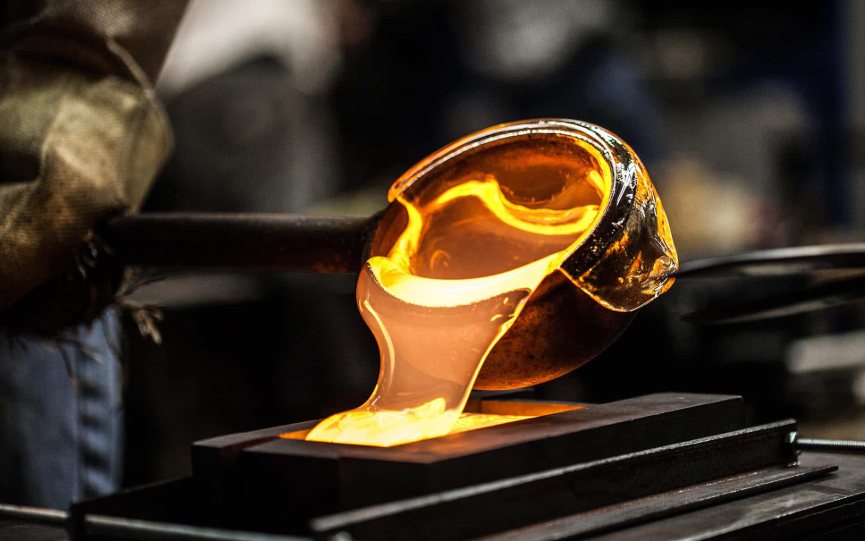
From Sand to Sheet: Understanding Modern Glass Production
Glass is one of the most versatile and widely used materials in the world, appearing in everything from windows and bottles to smartphones and solar panels. Despite its ubiquity, the process of transforming raw sand into clear, functional sheets of glass is a fascinating combination of science, engineering, and artistry. Understanding modern glass production not only highlights human ingenuity but also offers insight into the technological advancements shaping our everyday environment.
The Raw Material: Sand and Beyond
The journey begins with silica sand, the primary ingredient in most glass formulations. High-quality sand is carefully selected for its purity and particle size, as impurities can affect clarity, strength, and color. Other key materials, such as soda ash and limestone, are added to modify the melting point and chemical properties, creating a mixture optimized for the type of glass being produced.
The exact formulation depends on the intended use of the glass. For example, container glass requires different chemical balances compared to flat glass used in construction or automotive applications. This careful blending ensures that the final product meets both functional and aesthetic requirements.
Melting: The Heart of Glassmaking
Once the raw materials are mixed, they are fed into a furnace where heat transforms the solid mixture into molten glass. Modern production often relies on a continuous furnace, allowing molten glass to flow steadily and be shaped efficiently into large sheets or other forms. Continuous furnaces have revolutionized glass production, reducing energy consumption, improving consistency, and enabling high-volume manufacturing.
Maintaining the correct temperature in the furnace is critical. Too low, and the glass may not melt fully, causing defects. Too high, and the material can become unstable, leading to bubbles, distortions, or unwanted chemical reactions. Skilled operators constantly monitor conditions to ensure a smooth, uniform melt.
Forming: From Molten Glass to Sheets
After melting, the molten glass is formed into sheets or other desired shapes. The float glass process, developed in the 1950s, is the most common method for producing flat glass. In this process, molten glass is poured onto a bath of molten tin. Because tin is denser than glass, the material floats, naturally forming a smooth, flat surface. As the glass moves along the bath, it gradually cools and solidifies, resulting in sheets that are remarkably uniform in thickness and clarity.
Other forming techniques, such as rolling or drawing, are used for specialized glass products. For instance, rolled glass can be textured for decorative purposes, while drawn glass is often used in the production of glass tubing or optical fibers. Regardless of the method, careful control of temperature, speed, and handling ensures that the final product meets strict quality standards.
Annealing: Strengthening the Glass
Even after forming, glass is fragile until it undergoes annealing. This controlled cooling process relieves internal stresses that develop during shaping. Glass passes through an annealing lehr, a long, temperature-controlled oven, where it cools gradually to prevent cracking or warping. Proper annealing is essential for structural glass used in buildings, automotive windshields, and other applications where safety and durability are critical.
Finishing: Cutting, Coating, and Customization
Once annealed, glass sheets can be cut, polished, and treated with coatings to achieve specific properties. Anti-reflective coatings, low-emissivity layers, or colored tints enhance functionality while expanding the range of applications. Advanced technologies now allow precision cutting and laser etching, enabling manufacturers to meet increasingly demanding design requirements.
See also: How Technology Is Transforming Agriculture
Sustainability and Innovation in Modern Production
Modern glass manufacturing is not only about efficiency and quality but also about sustainability. Many factories now recycle cullet—scrap or broken glass—reducing the need for raw materials and lowering energy consumption. Innovations such as solar-powered furnaces, advanced melting technologies, and environmentally friendly additives further reduce the environmental footprint.
Additionally, the rise of smart glass technologies, which can change transparency or insulate more effectively, illustrates how traditional glass production continues to evolve. These advancements expand the potential uses of glass, from energy-efficient architecture to cutting-edge consumer electronics.
In Conclusion
The transformation of simple sand into polished sheets of glass is a remarkable blend of chemistry, engineering, and precision craftsmanship. From selecting raw materials and controlling high-temperature melts to forming, annealing, and finishing, every stage of modern glass production is carefully managed to ensure quality and consistency. Continuous innovations and sustainability efforts are shaping the future of this timeless material, proving that glass is far more than just a transparent surface—it is a testament to human ingenuity.