Fire Risk Assessment: A Vital Step Towards Fire Safety
Fires can strike without warning, causing serious harm to life and property. To minimize these risks, conducting a Fire Risk Assessment is essential for any workplace, commercial building, or residential property. It systematically identifies potential hazards, evaluates risks, and implements safety measures to prevent fire incidents and protect occupants.
Understanding Fire Risk Assessment
A Fire Risk Assessment is a structured process that examines a building or site to determine the likelihood and impact of fire. It identifies fire hazards, assesses the people at risk, evaluates existing safety measures, and recommends actions to mitigate potential dangers. The assessment ensures that fire prevention strategies are effective and compliant with safety regulations.
See also: ADU Homes for Modern Living Respond to How People Actually Live Today
Why Fire Risk Assessments Are Important
- Protecting Human Life
The main goal of a Fire Risk Assessment is to protect people. By recognizing hazards and establishing effective evacuation procedures, the risk of injuries and fatalities can be significantly reduced. - Safeguarding Property
Fires can cause extensive damage to buildings, equipment, and valuable assets. Assessments help identify risks and implement measures to minimize property loss. - Compliance with Laws
Many countries mandate fire safety assessments under workplace safety laws. Regular Fire Risk Assessments ensure compliance, reducing the risk of legal penalties and closures. - Reducing Financial Loss
Fire incidents can lead to huge financial burdens, including repair costs, insurance claims, and loss of business operations. Preventive measures from risk assessments help limit these losses. - Promoting Safety Awareness
Conducting a Fire Risk Assessment promotes a culture of safety among staff and occupants, encouraging adherence to fire safety protocols and proactive reporting of hazards.
Steps to Conduct a Fire Risk Assessment
- Identify Fire Hazards
Examine the premises for sources of fire, including electrical equipment, heating systems, flammable liquids, combustible materials, and poor housekeeping practices. - Identify People at Risk
Consider who may be affected by a fire, including employees, visitors, residents, and vulnerable groups such as children, elderly individuals, or people with disabilities. - Evaluate Risks
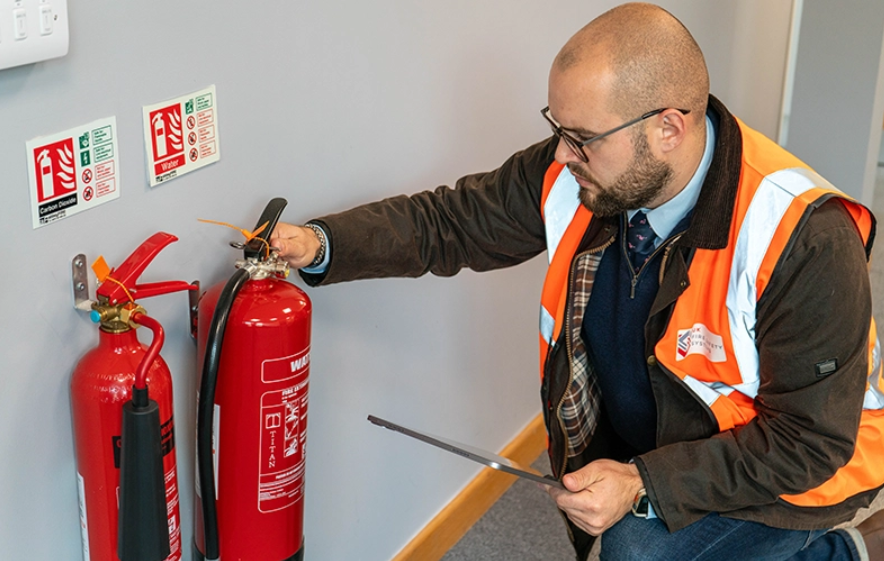
Assess the likelihood of a fire occurring and the severity of potential consequences. Review existing safety measures such as fire alarms, sprinklers, extinguishers, and emergency exits. - Implement Control Measures
Based on the assessment, introduce strategies to eliminate or reduce risks. Actions may include removing flammable materials, improving electrical safety, installing fire detection systems, and providing staff training. - Document Findings
Record all identified hazards, risk evaluations, and control measures. Proper documentation ensures accountability and supports regulatory compliance. - Review Regularly
Fire risk assessments are not a one-time activity. Regular reviews, particularly after changes in building layout, equipment, or occupancy, ensure ongoing effectiveness of fire safety measures.
Common Fire Hazards
- Faulty or overloaded electrical systems
- Improper storage of flammable liquids and chemicals
- Blocked or insufficient fire exits
- Neglected heating and cooking appliances
- Smoking in unauthorized areas
- Accumulation of combustible materials and clutter
Benefits of Professional Fire Risk Assessment
While internal assessments are helpful, professional fire risk assessors bring specialized knowledge, ensuring:
- Comprehensive identification of hazards
- Accurate evaluation of risks
- Legal compliance and adherence to safety regulations
- Tailored recommendations for effective fire prevention and protection
Fire Prevention Measures
After completing a Fire Risk Assessment, the following measures are commonly recommended:
- Installation of smoke detectors, fire alarms, and sprinkler systems
- Placement of fire extinguishers in accessible locations
- Clearly marked and unobstructed emergency exits
- Regular fire drills and staff training
- Proper maintenance of electrical systems and heating equipment
- Safe storage of flammable and combustible materials
Conclusion
A Fire Risk Assessment is a crucial component of any fire safety strategy. It identifies hazards, evaluates risks, and implements preventive measures to protect lives and property. Regular assessments combined with staff training and preventive strategies create a safer environment for everyone.
Investing in a thorough Fire Risk Assessment is not just about legal compliance; it is about proactively safeguarding lives, property, and the continuity of operations.