Polygraph Test: What It Really Measures (and What It Doesn’t)
A polygraph test sounds like something straight out of a crime drama. Wires attached. A quiet room. A few simple questions. Then—truth or lie.
Except it’s not that simple.
People walk into polygraph exams with all kinds of expectations. Some think it’s a flawless lie detector. Others assume it’s easy to beat. The truth sits somewhere in between, and it’s a lot more interesting than the movies make it seem.
Let’s get into what’s actually happening behind the machine.
What a Polygraph Test Really Tracks
Here’s the thing: a polygraph doesn’t detect lies. It detects physiological changes.
That’s a big distinction.
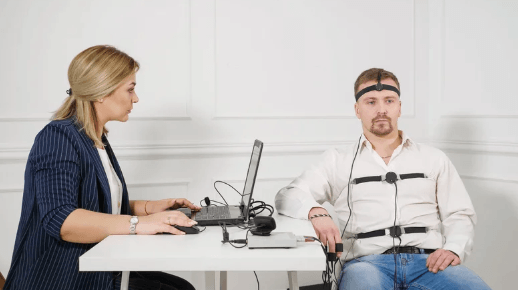
When you’re hooked up to a polygraph, the machine records things like your heart rate, breathing patterns, blood pressure, and skin conductivity (basically, how much you sweat). These are all things your body can’t easily control when you’re under stress.
Now, the assumption behind the test is pretty straightforward: when someone lies, they get nervous. That nervousness shows up as physical changes. The machine picks those up.
But let’s be honest—people get nervous for all kinds of reasons.
Imagine sitting in a quiet room while someone asks you questions about something serious—maybe even something you didn’t do. Your heart’s probably going to race anyway. That doesn’t make you guilty. It makes you human.
The Structure of a Typical Test
A polygraph session isn’t just random questions thrown at you. There’s a method to it.
It usually starts with a pre-test interview. This part matters more than people expect. The examiner talks with you, goes over the questions, and sets expectations. It can feel almost casual, like a conversation—but it’s strategic.
Then comes the actual test.
You’ll be asked different types of questions. Some are neutral, like “Is your name John?” Others are relevant, tied to whatever issue is being investigated. And then there are control questions—these are designed to provoke a reaction, even if you’re telling the truth.
For example, you might be asked something like, “Have you ever lied to get out of trouble?” Most people have. The idea is to create a baseline response to compare against the more serious questions.
After that, the examiner reviews the data and makes a judgment call.
And yes—it is a judgment call.
Accuracy: Better Than Guessing, Not Foolproof
Polygraphs aren’t random. But they’re not perfect either.
Supporters will tell you they’re highly accurate—sometimes claiming rates above 80 or 90 percent. Critics push back, arguing that the science isn’t strong enough to support those numbers consistently.
The reality? Accuracy depends on a lot of variables.
The skill of the examiner plays a role. So does the mental state of the person being tested. Even the environment can affect results. A calm, confident liar might pass. An anxious truth-teller might fail.
There’s a reason polygraph results are rarely admissible in court in many places. They’re considered supporting tools, not definitive proof.
That alone tells you something.
Why People Still Use Polygraphs
If they’re not perfect, why do they stick around?
Because they’re useful in a different way.
Think of a polygraph less as a truth machine and more as a psychological tool. The setup itself can encourage people to open up. Some confess before the test even starts. Others change their story halfway through.
There’s something about being told, “This machine will catch you if you lie,” that makes people rethink their answers.
Employers, law enforcement agencies, and investigators often use polygraphs as part of a bigger process. Not the final word—just one piece of the puzzle.
And sometimes, that’s enough.
Can You Beat a Polygraph?
This is where things get a bit murky.
You’ve probably heard that you can trick a polygraph by controlling your breathing or thinking stressful thoughts during control questions. There’s some truth to the idea that people can try to manipulate their responses.
But it’s not as easy as it sounds.
For one, experienced examiners are trained to spot suspicious patterns. If your responses look too controlled or inconsistent, that can raise red flags.
Also, trying to outsmart the test can backfire. You might end up increasing your stress across the board, making your results even harder to interpret.
Here’s a simple way to think about it: even if techniques exist, using them successfully under pressure is a different story.
Real-Life Scenario: The Nervous Truth-Teller
Picture this.
Someone applies for a government job that requires a polygraph test. They’ve got nothing to hide. Clean record. Honest answers.
But the stakes are high. This job matters.
They sit down for the test, and their anxiety kicks in. Heart racing. Hands slightly sweaty. Every question feels loaded, even the harmless ones.
Now the machine picks up those signals.
To an examiner, those spikes might look like deception—even though the person is telling the truth.
This kind of situation isn’t rare. It’s one of the biggest criticisms of polygraph testing. Emotional response doesn’t always equal dishonesty.
See also: Choosing the Right Hernia Surgeon in Dubai and General Surgeon in Dubai for Safe Treatment
Real-Life Scenario: The Calm Liar
Now flip it.
Someone who’s used to high-pressure situations—maybe they’ve lied before, maybe they’re just naturally composed—walks into the test.
They stay calm. Breathing steady. No visible stress.
They lie, but their body doesn’t react much.
The polygraph might not pick up anything unusual.
That’s the other side of the problem. The test assumes a typical emotional response to lying, but not everyone fits that pattern.
The Role of the Examiner
It’s easy to focus on the machine, but the human behind it matters just as much.
Examiners interpret the data. They decide which responses matter and which don’t. Their experience, bias, and judgment all come into play.
A skilled examiner can make the process feel smooth and controlled. A less experienced one might misread signals or rely too heavily on assumptions.
This human element is both a strength and a weakness. It allows flexibility, but it also introduces subjectivity.
Where Polygraphs Are Commonly Used
You’ll see polygraph tests pop up in a few specific areas.
Law enforcement uses them during investigations, especially when trying to narrow down suspects or verify statements.
Some government agencies require them for security clearances. The idea is to screen for risks like undisclosed activities or vulnerabilities.
They’re also used in certain private-sector jobs, though that’s more limited depending on local laws.
And then there are personal situations—relationship disputes, for example—where people turn to polygraphs hoping for clarity.
That last one can get messy.
Should You Trust the Results?
Here’s the honest answer: treat polygraph results with caution.
They can provide insight. They can highlight inconsistencies. They can even prompt useful conversations.
But they shouldn’t be the sole basis for a serious decision.
If someone “fails” a polygraph, it doesn’t automatically mean they’re lying. And if they “pass,” it doesn’t guarantee they’re telling the truth.
It’s one tool among many. Nothing more, nothing less.
What It Feels Like to Take One
People often wonder what the experience is actually like.
It’s not painful, but it can be uncomfortable. You’re sitting still for a while, connected to sensors, answering questions that may feel repetitive or oddly phrased.
The room is usually quiet. Controlled.
And there’s a subtle pressure in the air. Even if you know you’re telling the truth, you’re aware that your body’s reactions are being watched closely.
That awareness alone can make you second-guess how you answer.
Final Thoughts
Polygraph tests live in that gray area between science and psychology. They’re not magic. They’re not useless either.
They work best when they’re used carefully, alongside other evidence and good judgment.
If you strip away the drama, what you’re left with is a tool that measures stress and tries to connect it to truth. Sometimes it gets that connection right. Sometimes it doesn’t.
That’s why understanding how it works—and where it falls short—matters so much.
Because when it comes to something as complicated as honesty, no machine gets the final say.