What Are the Different Types of Air Conditioners Used in Australian Homes?
Australia’s climate varies widely, from hot and dry inland regions to humid coastal areas and cooler southern states. As a result, air conditioning plays an essential role in maintaining comfort inside homes throughout the year. Choosing the right system depends on factors such as home size, climate, energy efficiency, and budget. Understanding the different types of air conditioners commonly used in Australian households can help homeowners make informed decisions and maintain their systems properly through regular air con cleaning.
Split System Air Conditioners
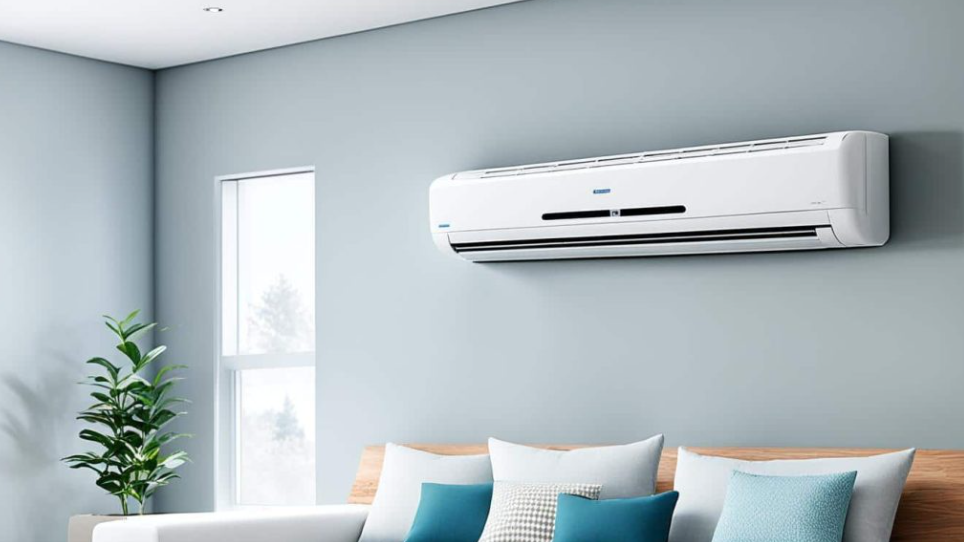
Split system air conditioners are the most popular choice in Australian homes. They consist of an indoor unit and an outdoor compressor, making them suitable for cooling or heating individual rooms or open-plan areas. These systems are known for their energy efficiency, quiet operation, and relatively affordable installation compared to larger systems.
Split systems are ideal for apartments and smaller houses where temperature control is needed in specific areas rather than the entire home. To keep them running efficiently, homeowners need to schedule routine maintenance, including filter checks and air con cleaning, which helps maintain airflow and indoor air quality.
Ducted Air Conditioning Systems
Ducted air conditioning systems are commonly found in larger homes and newly built properties. These systems use a central unit connected to a network of ducts that distribute conditioned air throughout the house. One of their main advantages is the ability to cool or heat multiple rooms simultaneously, often with zoning options for better energy control.
Although ducted systems provide seamless comfort, they also require a higher upfront investment and professional installation. Regular servicing and air con cleaning are important to ensure ducts remain free of dust and debris, which can otherwise reduce efficiency and increase running costs over time.
Multi-Split Air Conditioning Systems
Multi-split systems operate similarly to standard split systems but allow multiple indoor units to connect to a single outdoor unit. This makes them a practical solution for homes that need climate control in several rooms but lack space for multiple outdoor compressors.
These systems offer flexibility in temperature control and a cleaner exterior appearance. However, their performance depends on proper maintenance. Scheduling periodic inspections and air con cleaning helps prevent uneven cooling and ensures each indoor unit functions effectively throughout the year.
Window Air Conditioners
Window air conditioners are less common in modern Australian homes but are still used in older properties, rental units, and small spaces. These units are installed directly into a window or wall opening and combine all components into a single unit.
Their main advantages are lower purchase costs and simple installation. However, they are generally less energy efficient and noisier than split systems. Even so, regular upkeep, including air con cleaning, is essential to prevent dust buildup and maintain acceptable performance levels.
Portable Air Conditioners
Portable air conditioners are a flexible option for renters or homeowners who need temporary cooling solutions. These units can be moved from room to room and typically require venting through a window. While convenient, they are often less efficient and more expensive to run compared to fixed systems.
Because portable units draw air from within the room, filters can clog quickly. Consistent maintenance and air con cleaning are important to keep them operating safely and to prevent reduced cooling capacity during peak summer periods.
Evaporative Cooling Systems
Evaporative coolers are commonly used in dry Australian climates, particularly in inland and southern regions. These systems work by drawing warm air through water-soaked pads, cooling it before circulating it through the home. They are energy efficient and provide fresh air rather than recirculating indoor air.
However, evaporative systems are less effective in humid conditions and require specific maintenance routines. Regular servicing, water system checks, and air con cleaning help prevent mineral buildup and ensure the system delivers clean, cool air during hot weather.
See also: Modern Earthmoving Solutions for Commercial and Residential Projects
Reverse Cycle Air Conditioners
Many modern air conditioners in Australia are reverse cycle systems, meaning they provide both cooling in summer and heating in winter. This feature is available in split, multi-split, and ducted systems, making reverse cycle technology highly versatile and cost-effective.
Reverse cycle systems are valued for their energy efficiency compared to traditional heating methods. To keep them functioning optimally year-round, homeowners should not overlook maintenance tasks such as filter replacement and air con cleaning, which support efficient heating and cooling performance.
Importance of Maintenance and System Care
Regardless of the type of air conditioner installed, ongoing care is essential for performance, longevity, and energy efficiency. Dust, allergens, and debris can accumulate over time, reducing airflow and increasing strain on components. Regular inspections and professional servicing, including air con cleaning, help identify potential issues early and maintain healthy indoor air quality.
Well-maintained systems also tend to use less energy, resulting in lower electricity bills and reduced environmental impact. For Australian households, this is particularly important during extended periods of extreme heat when systems run continuously.
Conclusion
Australian homes use a wide range of air conditioning systems to suit different climates, property sizes, and lifestyle needs. From split systems and ducted air conditioning to portable and evaporative options, each type offers distinct advantages and considerations. Understanding these differences allows homeowners to choose the most suitable solution for their environment. No matter which system is used, regular servicing and air con cleaning remain essential for reliable performance, comfort, and long-term efficiency.